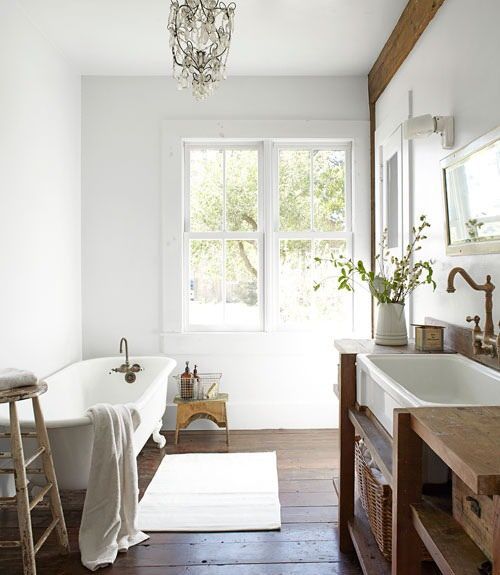
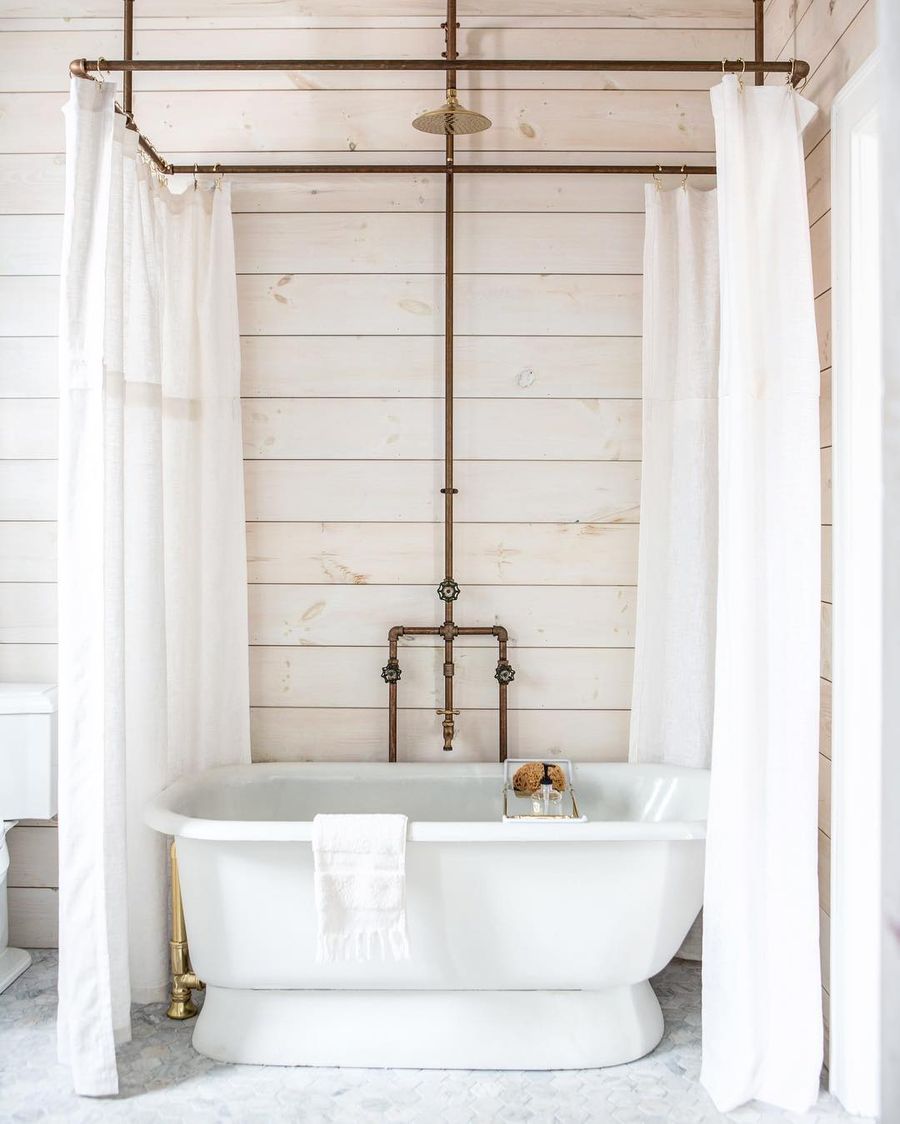
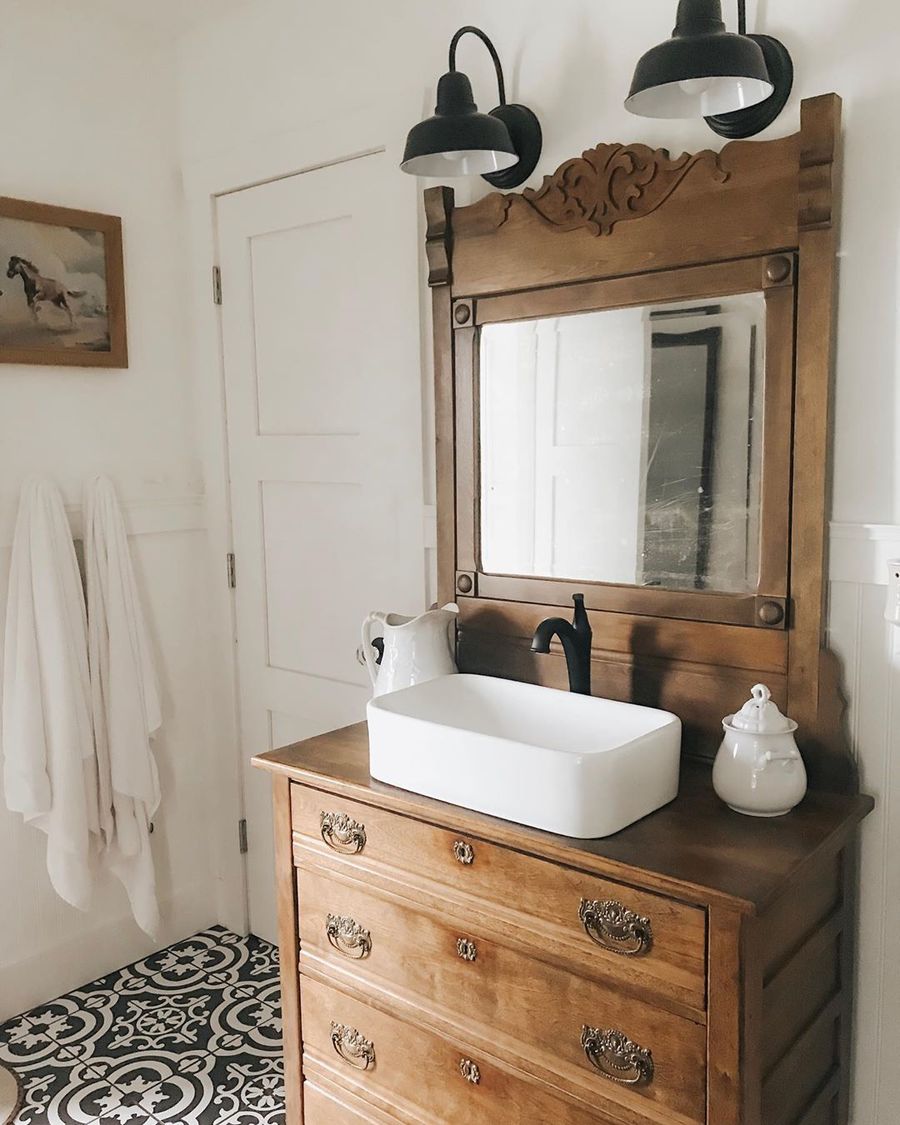
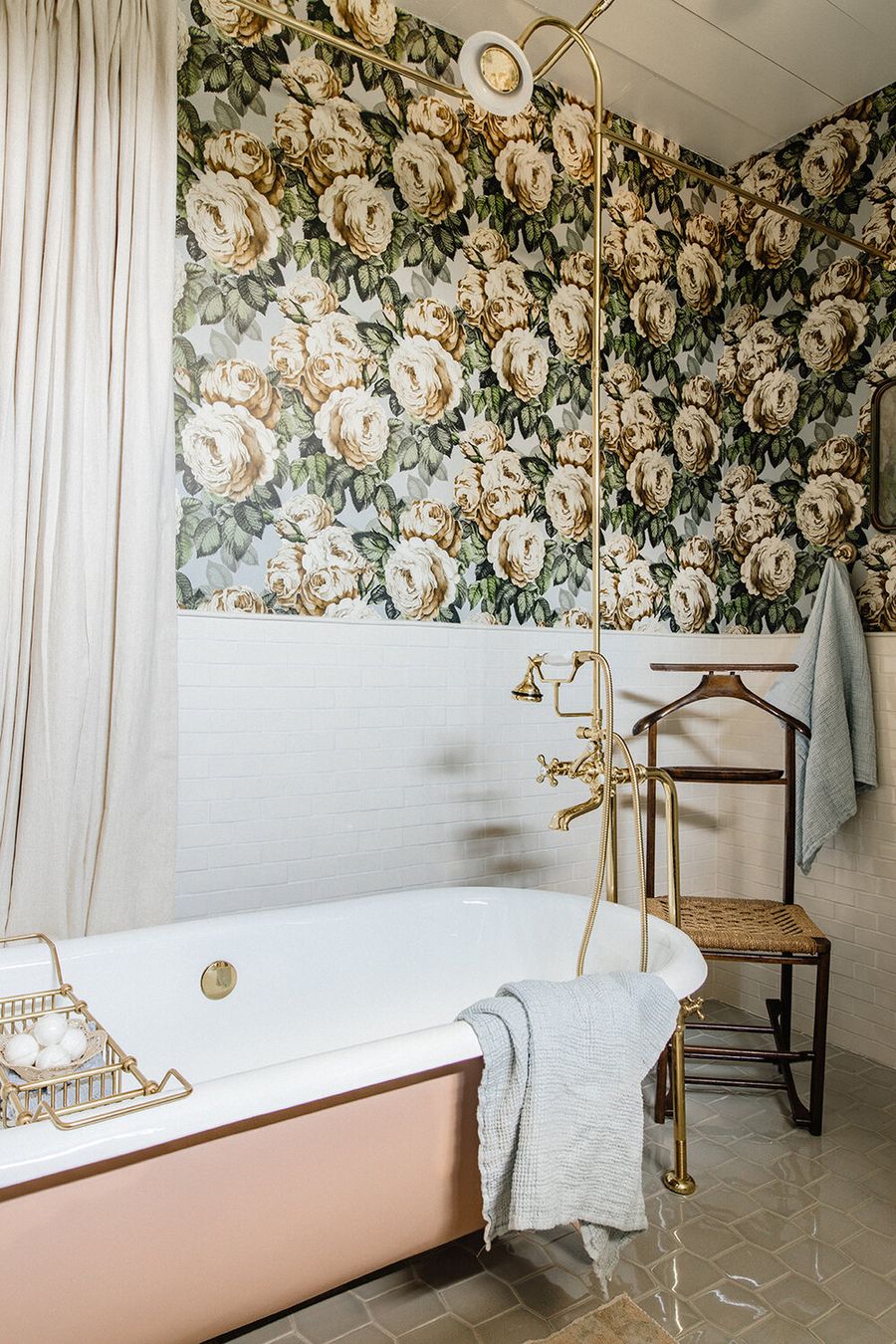
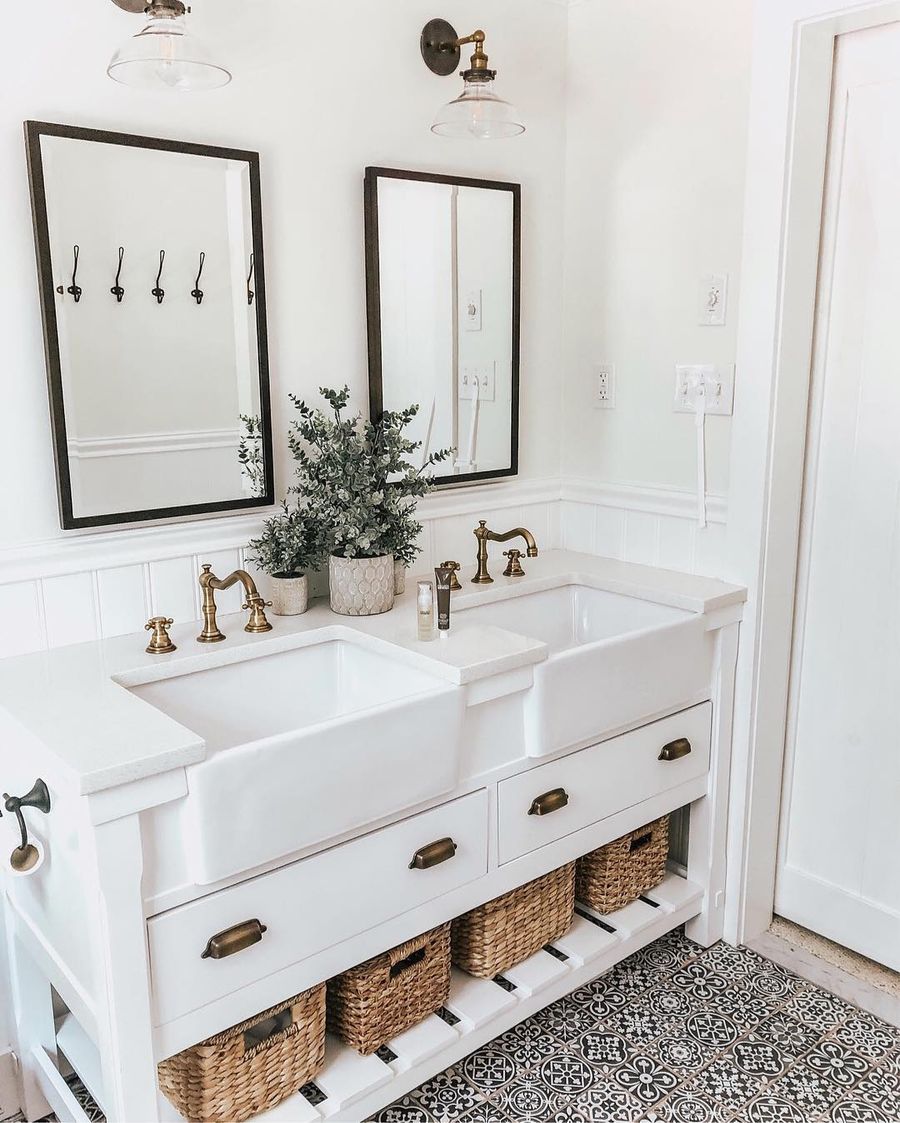
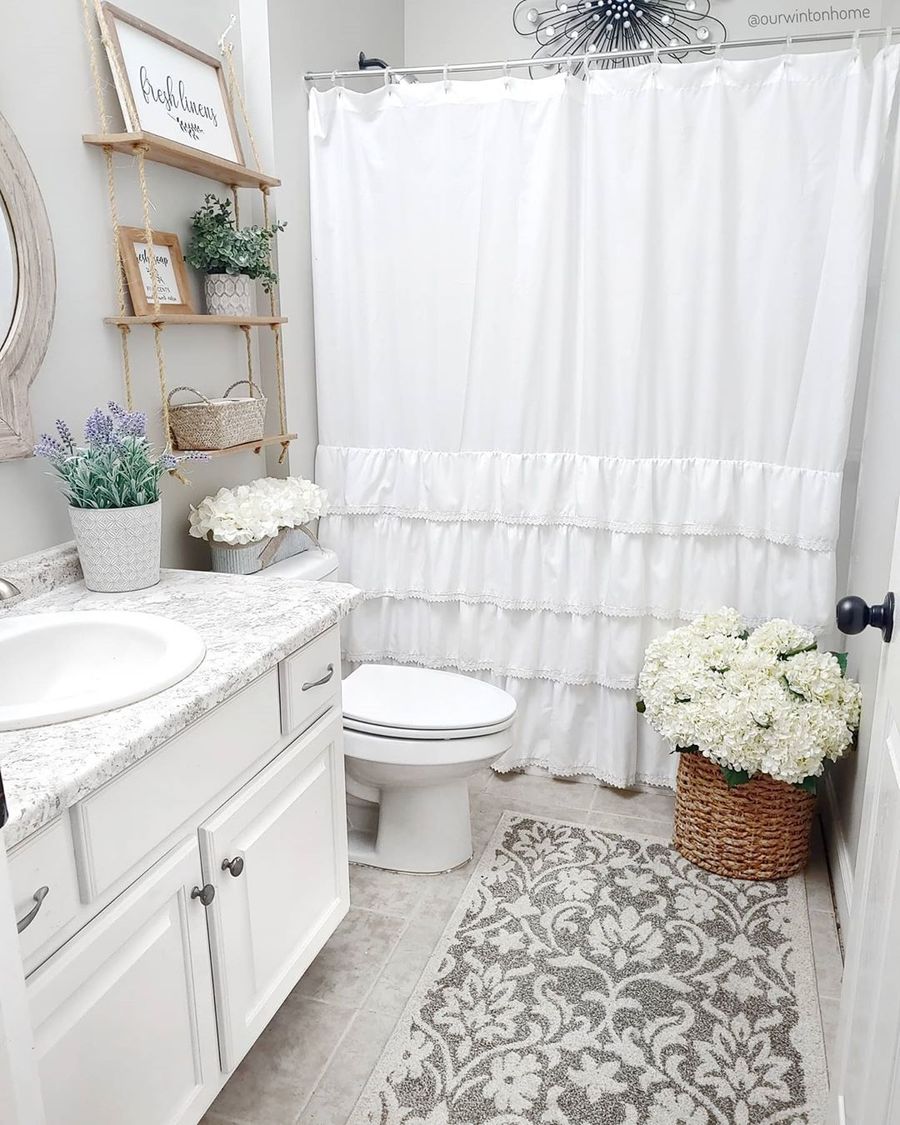
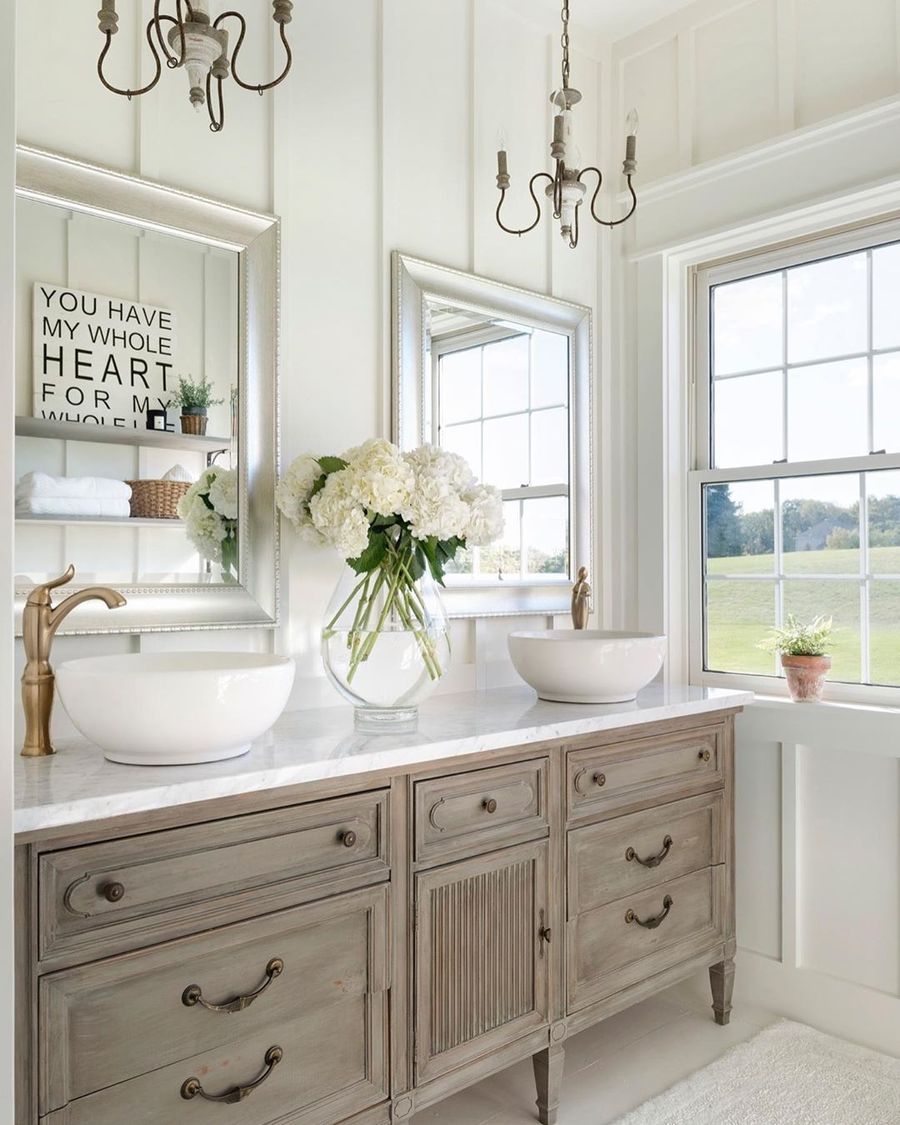
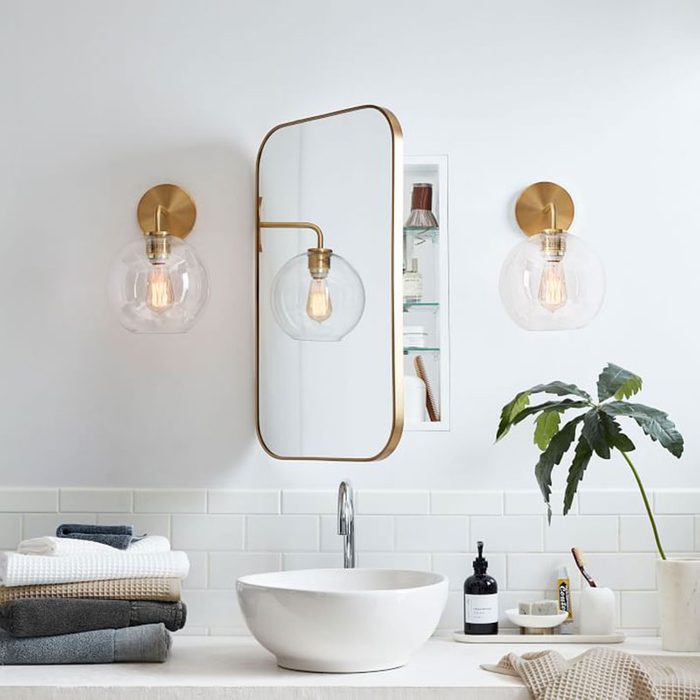
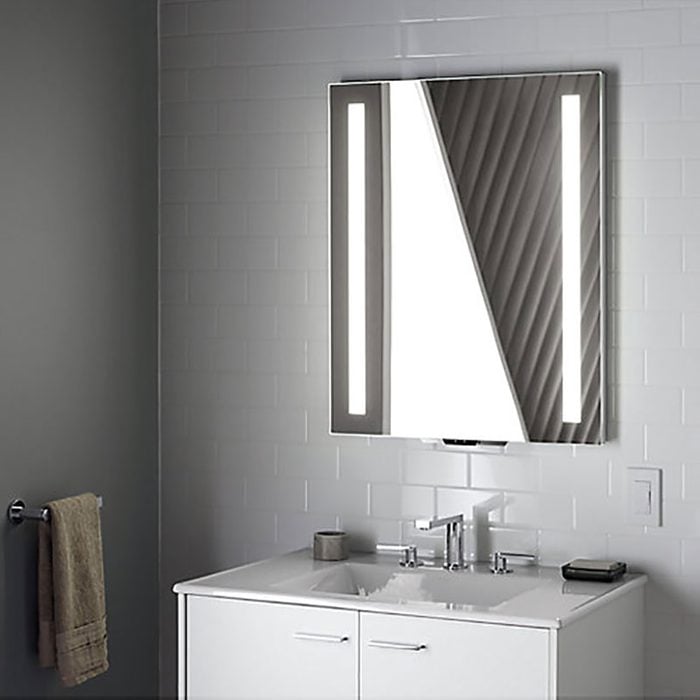
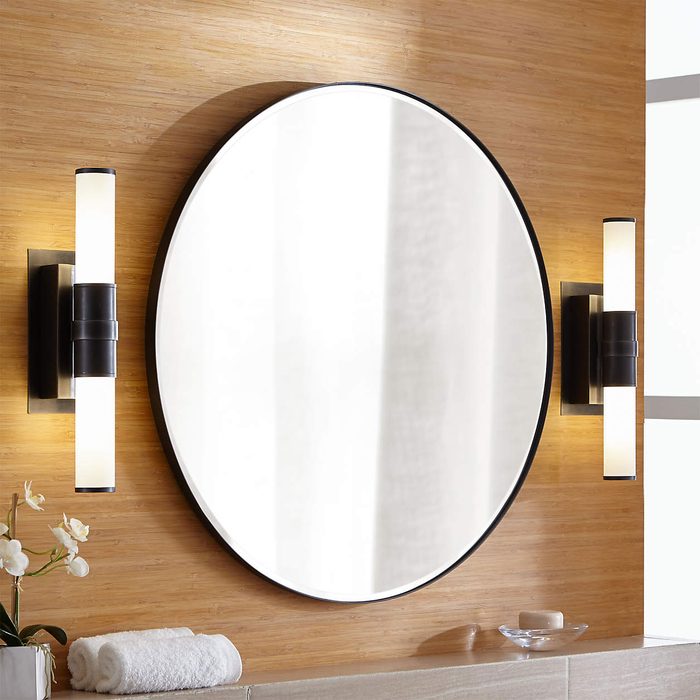
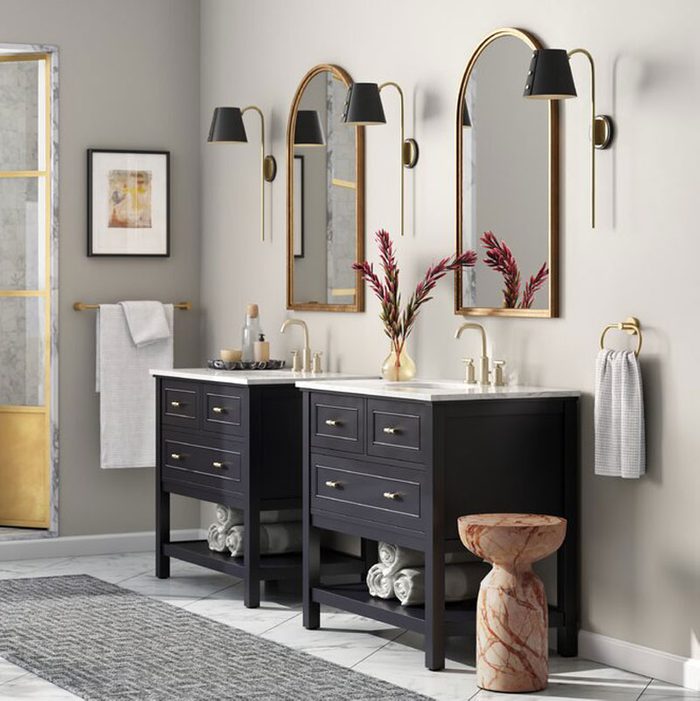
The standard height of bathroom vanity 32 inches (vanity countertops height ranges from 30 to 36 inches.), But present-day bathroom vanities have become a little beat upper in recent years in what is well-known as "Comfort Height" Bathroom Vanities 36 inch (just like kitchen stands). All Bathroom vanity come in an array of height measures with "regular height", "comfort height", and "vessel sink height". Standard bath vanity height is often disputed and there's not really a delimited "standard height." The standard height of bathroom cabinets is resolute by norms of the most combined heights of bathroom vanity cabinets
Standard Bathroom Vanity Height is 32 inches.
Standard height of bathroom vanity is 32 inch. In general bathroom vanity countertops height can variety anyplace from 30 to 36 inches. Standard height bathroom vanities work well in families that have young kids who may be at a difficulty while using higher vanity cabinets.
The cause these vanities were low-slung contains a tiny history. After the post-war affluent, there were several new housing developments (the residential era) that presented many bedrooms with a solo bathroom for the house in 2BR / 1Ba and 3BR /2BA apartments or homes combinations. This intended that children would be sharing the bathroom space with their close relative so traditional bathroom vanity height was dropped to make this accommodation. This became the standard and was believed "Standard Height Vanity". In present-day times, we have a number of bathrooms in the house so designers often increase the height to more comfy levels. Which takes us to the new standard is "Comfort Height".
"Comfort Height" of Bathroom Vanity is 36 inches.
Present-day bathroom vanities are successive the development of Comfort Height Bathroom Vanities. Comfort height bathroom vanities equal the sizes of a standard 36 inches bath top. Bath cabinets counter top are above all used by adults for food preparation and are not gamely accessed by small kids. In difference, the bathroom is used by youngsters who are why bathroom vanity cabinets are usually lower than kitchenette counters. Coziness tallness contemporary vanities are model for empty nest home paternities and adults.
How tall should be a Vessel Sink Bathroom Vanity?
This chart shows the sizes of the Abaco Avola 47.5 inch Vessel Sink Bathroom Vanity Espresso Finish. You can see that the vanity height is 29 + 6.5 inch for the vessel basin for a total height of 35.5 inch. In general bathroom vanity cabinets will be lowered in order to accommodate for the additional height add by a vessel basin. Vessel basins typically add 5 to 6 inches to the height of the vanity stone, glass and wood countertop. For instance, if you want the edge of vessel sink to be at comfort height, you need a vessel bathroom vanity that is 36 – 6 =30 inches in height.
As the global population inches closer and closer to the 8-billion-people mark, the amount of sustenance needed to keep everyone fed continues increasing — placing stress on every aspect of our food system in the process. Farming of fresh produce in particular faces difficulties in scaling up production to meet our growing demand, largely due to the need for more space in which to grow crops. The primary way farmers have responded has been to gradually adopt more efficient equipment for planting and harvesting crops, but the way we farm the land itself has largely remained unchanged. However, a new type of farming is currently knocking on the barn door: Vertical farming is catching the eyes of farmers and investors alike.
With its less expensive and more sustainable methods, vertical farming may soon see more widespread utilization thanks to some of its key benefits. Not only can vertical farming reduce costs associated with production (and pass those savings along to consumers), but drought-affected regions across the globe may also be better able to grow just as much produce with a fraction of the water traditional crops require.
Curious to find out how this concept could change commerce, our climate — and the investing world? Join us for a look into vertical farming and the ways it may be an investment worth seeding.
Photo Courtesy: JohnnyGreig/Getty Images
Vertical farming is exactly what it sounds like — plus a whole lot more. Farmers plant crops on surfaces that are stacked vertically, rather than spreading farther and farther out via the horizontal horticulture we've been used to for centuries. Because farmers can extend vertical layers up into the air, they can utilize more of their farmland for more vertical layers — and grow more on a much smaller footprint of ground. Vertical farming allows growers to plant far more crops on the acreage they already own because they can expand upward and no longer need to expand outward.
It's a similar principle to apartment complexes. By building up, a much larger population can live on the same plot of land that might otherwise fit just a few families in sprawling houses. And, buildings and apartment complexes in metropolitan areas can even use vertical farming to grow produce, allowing people to shop locally and decrease their carbon footprint.
Some vertical farms are built outdoors where crops are traditionally grown. Other farmers construct buildings, like warehouses and greenhouses, or use shipping containers to house the crops. Using these structures and appropriate lighting equipment, farmers have the ability to grow crops year-round while limiting pest intrusion and damage from poor environmental conditions or natural disasters. Vertical farming can also allow growers to operate in areas that traditionally don't make ideal farmland.
Vertical Farming and the Climate
Photo Courtesy: webphotographeer/Getty Images
As mentioned, vertical farming holds the potential to combat climate change. When formerly farmed land is allowed to return to its natural state — a process called rewilding — that land's typical ecosystems, including native plantlife, can regrow and better regulate the environment.
Additionally, traditional farming strains water resources and is responsible for emitting nearly a quarter of the world's greenhouse gases. But vertical farming uses between 70% and 95% less water than traditional agriculture uses for cultivation. Vertical farmers employ hydroponic systems to water their crops, and these designs use much less water because they recirculate it. The hydroponic systems create their own unique ecosystem that recycles the water supply and opens farmers' options to growing practically any crop any time of the year thanks to the constant water supply. According to Harvard Business School, vertical farming's "technology can yield as much as 350 times more produce in a given area as conventional farms, with 1% of the water."
Vertical farming can limit agricultural contributions to climate change in other ways, too. According to the Center for Biological Diversity, "The U.S. transportation sector is responsible for about a third of our country's climate-damaging emissions." Part of that transportation involves shipping fresh produce from farms to cities, often from one side of the country to the other. Additionally, the United Nations reports that, by 2050, 68% of the world's population is expected to live in urban areas, meaning more people living farther away from traditional farms — and more greenhouse gas-emitting freight trucks on the road to get fresh produce to grocery stores.
Vertical farms could present yet another solution by limiting the need for cross-country transportation in the food supply chain. Growers can construct these farms in urban areas or convert existing buildings into farming facilities, which provides residents easy access to food and helps them limit their own carbon footprints.
Should You Invest in Vertical Farming?
Photo Courtesy: Pola Damonte/Getty Images
All investments come with varying levels of risk, and emerging technologies like vertical farming tend to be riskier because their impacts and longevity aren't yet clear. However, vertical farming technology has already garnered the attention of private capital investors like Google Ventures, which invested $90 million in the vertical farm-tech company Bowery Farming; IKEA, which has committed to investing $115 million in the indoor agriculture startup AeroFarms; and Softbank, which invested $200 million in Plenty, a vertical farming company that also utilizes artificial intelligence to manage crop growth.
This confidence is reassuring — and the potential for vertical farming indeed seems bright thanks to the positive way it stands to boost our access to food while combating climate change at the same time. According to Forbes, "The indoor farming technology market was valued at $23.75 billion in 2016, and is projected to reach $40.25 billion by 2022," meaning it could nearly double, and soon.
However, while venture capitalists' decisions can serve as good endorsements, the average investor should take them with a grain of salt. This industry hasn't had much time to stabilize yet, and it's vital to consider your level of financial risk tolerance before making the leap into investing. Additionally, many vertical farming companies haven't gone public yet, meaning you can't invest in them for now — but you can start researching to make a well-informed decision when the time comes.
Vertical Farming Stocks to Opt For
Photo Courtesy: mustafagull/Getty Images
If you've decided to make the investing leap and make vertical farming companies a part of your portfolio, you might be thinking of opting for exchange-traded funds (ETFs) instead of individual stocks for the time being. Because ETFs can contain multiple types of assets and more evenly distribute risk among the assets they contain, they can be ideal for newer investors who want to get a piece of this emerging industry. Instead of betting on a single company's stock to perform well, an ETF allows you to hold multiple stocks from the same industry — and if one performs poorly, you won't take as much of a hit thanks to the built-in diversification.
Unfortunately, the vertical farming industry isn't quite there yet — there aren't any dedicated ETFs to provide you an easy and diversified way in. Investing in vertical farming currently means investing in individual companies or in other agribusiness sectors that stand to benefit if vertical farming really takes off. That said, there are a few individual stocks you might consider adding to your portfolio. These include:
AppHarvest (APPH), an indoor farming tech company that owns several of the largest indoor farms in the United States
Spring Valley Acquisition (SV), a firm that's undergoing a merger with AeroFarms (one of the first vertical farming companies) and will soon be available for public trading under the ticker ARFM
Hydrofarm Holdings Group (HYFM), which manufactures the controlled indoor agriculture equipment used in vertical farming
Village Farms International (VFF), a company that creates and operates "mega-scale greenhouses" and also owns a cannabis-growing company, Pure Sunfarms
Vertical farming may indeed be the investment of the future — and you might also want to wait for the future before buying in. This emerging industry holds ample potential for growth, but it's understandable if you decide to wait for ETFs to sprout up to mitigate your personal financial risk.
As you renovate your home, you may be searching for the most inspiring modern farmhouse bathroom decor ideas. While we don't spend a lot of time in the bathroom on a daily basis, nevertheless, this is a room in our home that deserves special consideration and thought.
The bathroom is where we do our business, shower, brush our teeth, and maybe do our makeup too. It's where we get ready to start the day first thing in the morning, and it's where we end our night before hopping into bed. It's a very practical room that must not only serve our needs, but make us feel comfortable at home.
Farmhouse Bathroom Decor
Instead of viewing this room as purely practical, the best farmhouse bathroom designs have a personal touch which makes us laugh, or just relax in a warm bath. You could have family photos on the wall for example, display a funny quote sign, or add candles and bath salts to create a home spa. There are many different directions you can take a farmhouse bathroom design.
We love modern farmhouse decor for its approachable design, family-friendly nature, and country home style. Here are the best farmhouse bathroom decor ideas we found online!
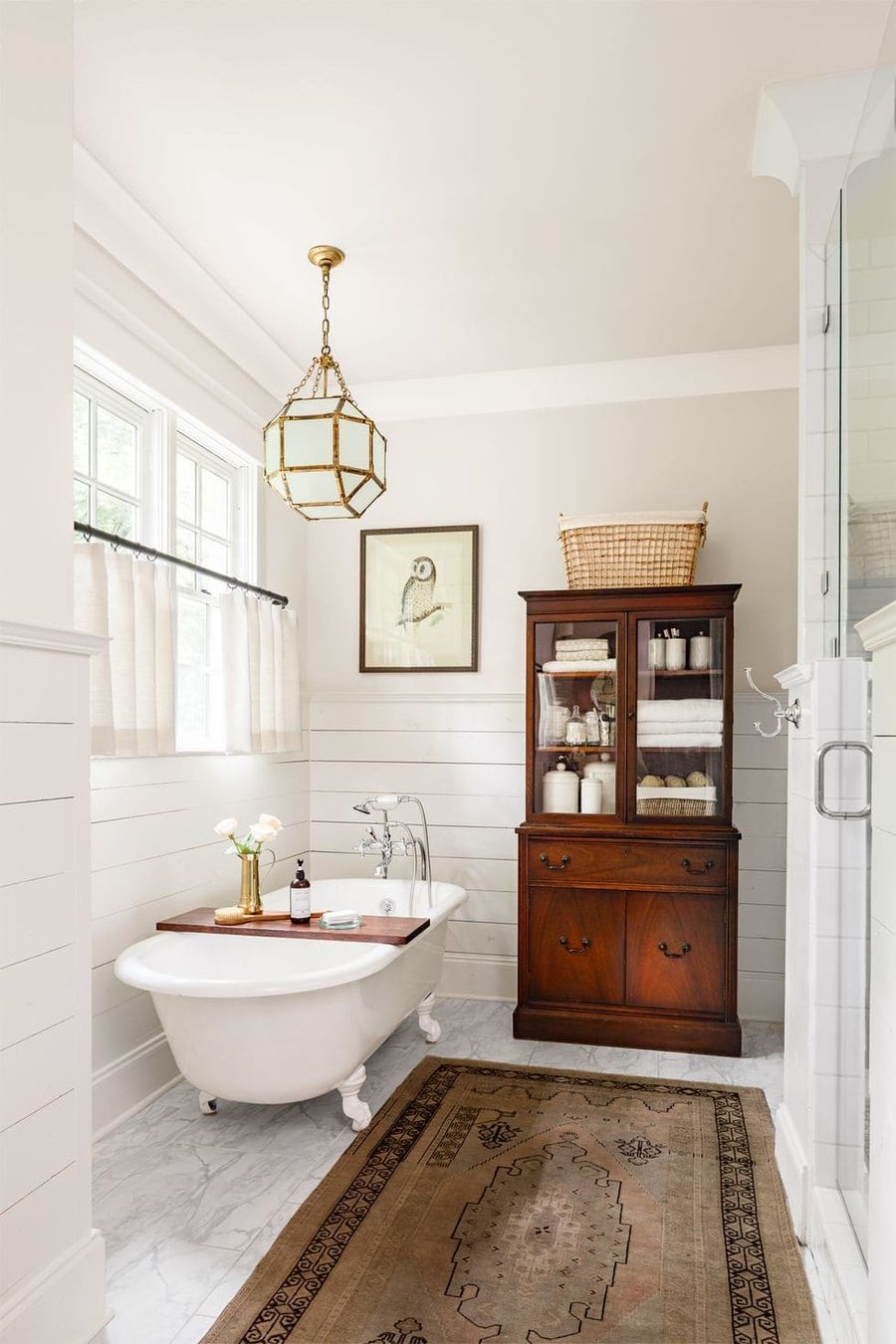
Wooden Storage Hutch
An antique wooden storage hutch is great for storing linens, bath products, and any bath accessories you have in your home. You could also use it as a medicine cabinet.
Lincoln Barbour Country Living
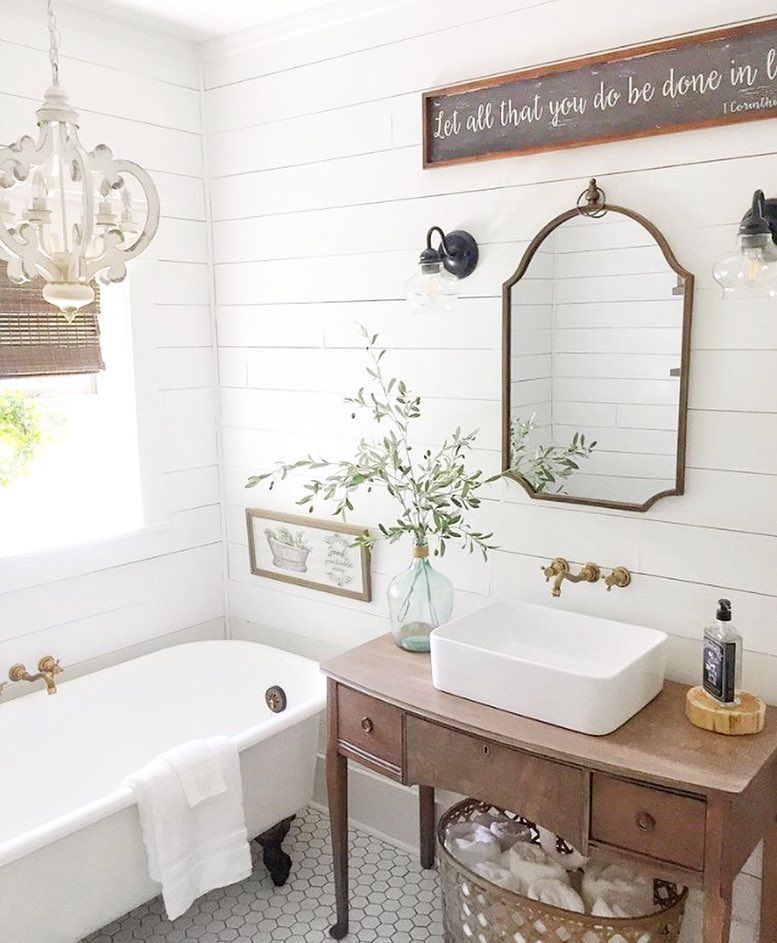
Vintage Sink Vanity
This bathroom has been outfitted with a vintage writing desk repurposed as a bathroom vanity. This is a very Farmhouse way to decorate the bathroom: using old furniture pieces and giving them new life. A white vessel sink has been installed on top of the vanity in addition to a brass faucet.
@farmhouse_on_chestnut
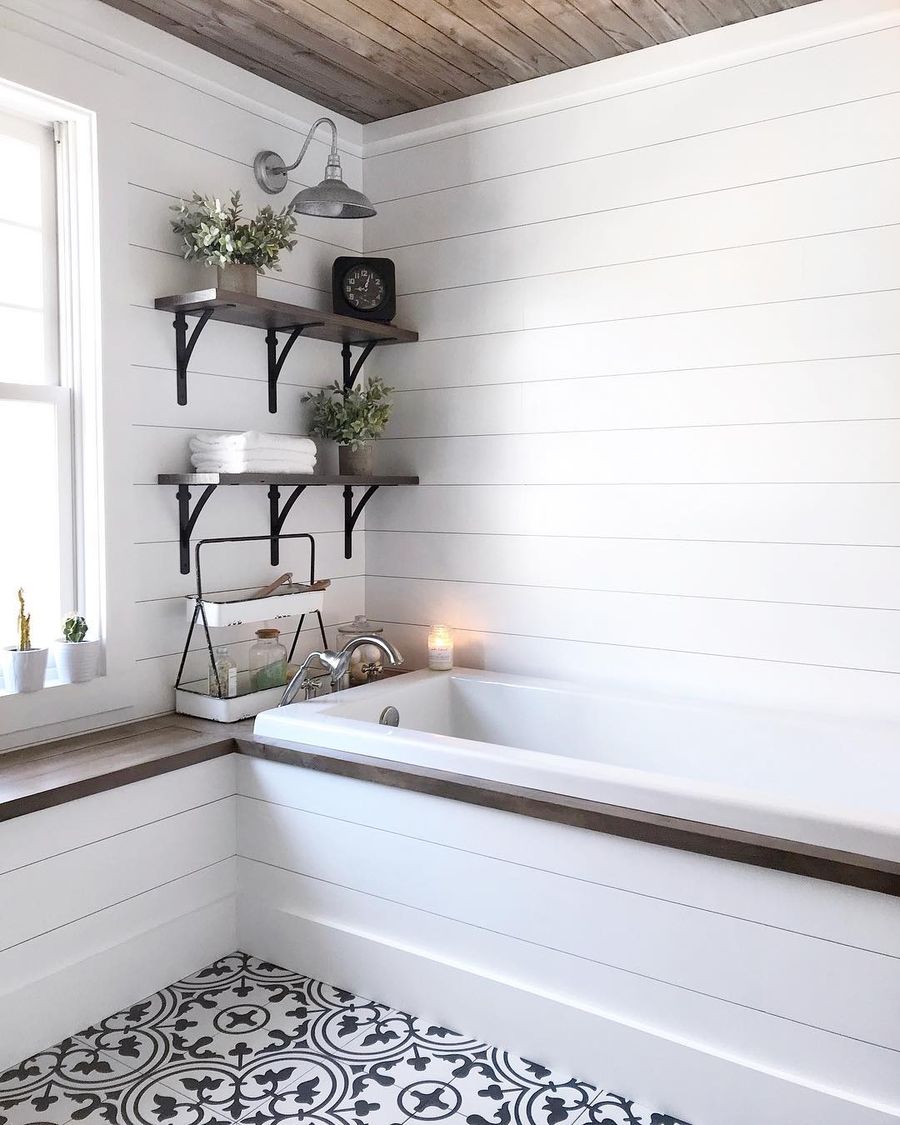
Shiplap Walls
Farmhouse homes often feature shiplap walls – those long horizontal wood panels – painted in white! Joanna Gaines was famous for decorating her clients home with shiplap walls. This style works great in the bathroom, too!
@angelarose_diyhome
Rustic Wooden Stool
Having a rustic wood stool nearby your bathtub is great for storing small items you may need during or after your bath. I keep a hand towel on mine, in addition to body wash, and sometimes a little stand for my phone.
Unknown
Aged Brass Hardware
For a vintage farmhouse look, go with aged brass bathroom hardware in your bathroom. Things like the sink faucet, the shower rod, the shower faucet, the doorknobs and more can be finished in aged brass to give it a rustic, distressed look. This kind of hardware is discreet enough to work well in a modern farmhouse bathroom as well, if the rest of your furniture and decor is more contemporary.
@thisoldhudson
Black Gooseneck Wall Lights
Gooseneck wall lights are popular lighting choices for many areas of a Farmhouse home. Here, two small gooseneck sconces have been installed on the wall above the bathroom vanity providing downward light on the sink.
@thewhitelilyfarm
Freestanding Bathtub
If you have the space, it's a great idea to install a freestanding vintage bathtub in your home. This clawfoot tub has been painted pink on the outside and matches the vintage floral wallpaper on the wall.
Hannah Crowell Interiors
Jute Storage Baskets
Neutral jute storage baskets are a popular choice for storage in a farmhouse bathroom. You can use these handy baskets to hide away hand towels, toilet paper, soap, bathroom accessories, your hair dryer, and other small bathroom products.
@lynzyandco
Ruffled Shower Curtain
This ruffled white shower curtain is a great addition to this country farmhouse bathroom design. It gives the space a bit of a feminine, cottage vibe. The jute basket of white hydrangeas is a sweet touch!
@ourwintonhome
Country Pendant Lighting
Another great lighting idea is to install these thin wood chandeliers which give this bathroom a really rustic country vibe! These small chandeliers have only four bulbs making them great for the bathroom where you don't need too much light, especially with a large window nearby letting in a ton of natural light!
@beautifulchaos.home
So, what did you think of our farmhouse bathroom decor ideas? We hope you felt inspired by these designs. You can make your house unique by choosing decorations you know that your family will like, even if they are a bit off style. What's most important is that everyone feels happy and welcome at home.
Inside: Learn some easy ways to narrow your choices with these 5 tips for picking bathroom tile for anything from kid bathrooms to your master bathroom.
Lately I've been up to my ears in choosing restroom tile. We're smack in the middle of renovating the kids bathroom and I've also been helping my aunt who's completely renovating all three of her bathrooms at (almost) the same time.
That means that in the last few months I've chosen tile for 4 bathrooms. One in my own home and three in my aunt's home. Picking out tile for someone else has taught me a lot about how to explain how to choose bathroom tiles. I've come up with 5 tips for choosing the perfect tile that I hope will help you if you ever decide to tackle your bathroom.
RELATED: AMAZING MASTER BATHROOM REVEAL
So here are my 5 tips for how to pick bathroom tile
1. Pick your must have tile first.
Typically when we start a bathroom renovation we have one tile that we dream of including in our design. Sometimes it is a really special or unique accent tile and sometimes it is as simple as knowing that you want white subway tile. Either way, take that dream tile and use it as the starting point for the other tile you will choose for your bathroom design.
2. Try to keep it to no more than 3 different tiles.
Taking your first (must have) choice as a starting point, use it to make the decisions for the other tiles you will include in your design. If your must have is a really unique color or pattern and is going to be the focal point of your design, pull more subtle colors from it to use in your accent tiles. If however your first choice is really plain (like a white subway tile) you may want to add an element of interest with a colorful accent tile or even a smaller scale white penny tile to change it up and add interest.
Typically you will choose a floor tile, a wall tile for the shower/ tub surround or even all of the walls in your bathroom, and an accent tile that will be used as a focal point. This is just a guideline. Don't be afraid to break the rules a little bit. When it comes to picking the best tile for a bathroom shower, I've got you covered.
{source}
3. Stick to one show stopper.
There are so many beautiful bathroom tiles out there and a bathroom is a perfect place to show off some of your personality and take a risk with a fun color or pattern on your tiles. However, if you are going to go for it, keep it to one show stopper. This will make your look timeless and really create the wow factor that you are going for since it won't be competing with the other elements in the room. (Many of these super special tiles can be pricey, but if you are working in a small area like a bathroom, they might just be the splurge you need since you won't need very many square feet.)
Your show stopper area can be big or small, it's up to you.
The good majority of this bathroom is done in pretty basic white tile, but they added a wow factor with this beautiful tile at the top. Now that's how to do bathroom tile!
{source, source}
Again the colors in this bathroom are pretty neutral, but the focal point is definitely the back wall of this shower.
{source}
I love the idea of going with a really fun tile on the floor of a bathroom and keeping the rest of the space neutral.
4. Take maintenance into consideration.
I don't like to clean. I especially don't like to clean the tub and shower so when choosing tile for these very wet areas you will probably want to go with porcelain or ceramic tile since they are virtually maintenance free. (You will want to double check to see if they need to be sealed.) Tiles made from natural stone require more maintenance and do have to be sealed. They are definitely more pores so they tend to hold on to dirt and grim more. If you are wanting to add texture with stone, it may be a good idea to use it on the floor or in a less wet area. Lastly, glass tile is so pretty and makes a great wall or accent tile. It is super slippery, so it doesn't work well on the floor.
5. Consider scale.
Large scale tiles are definitely on trend when it comes to bathroom floors right now. If you choose to go that direction, you can use the same tile cut in smaller sizes in a different area of the bathroom. For example if you use 12 x 24 tiles on the floor, you can use the same tile on the bathroom floor in 2 x 2s to continue the color across the entire floor, but creating a more slip free shower floor.
Our bathroom tile choice for the kid's bathroom:
For the kid's bathroom I wanted to go with something classic and something very light and airy. There are no windows in this bathroom so I wanted something that would bounce around as much light as possible. As soon as I saw this tumbled hexagon tile at The Tile Shop I knew we had to use it on the floor. This was my must have tile and would also act as the show stopper since it is a little bit unexpected and has a lot of pattern.
I also knew that I wanted to do grey cabinets to keep with the color scheme of my home, so we ended up choosing a larger than normal scale (4 x 8) matte white subway tile for the shower surround. It comes in both a glossy and matte finish and after getting both samples we are going to go with the matte.
We ordered all of our tile from The Tile Shop and the thing I loved most was that I could shop online, have samples delivered right to me and then place my order.
I plan to add color with paint and accessories and I'm excited to have a bathroom that my kids won't outgrow.
A big thanks to The Tile Shop for sponsoring this post by providing product. They were absolutely fantastic to work with and I would recommend them to anyone looking for an easy way to select quality tile.
Whatever your kitchen countertop dimensions, your options for surface materials are many and varied. From natural materials to synthetic alternatives, here are thirteen ideas to get you started.
Concrete
The best kitchen countertops complement the rest of the design. Concrete is a good choice because it provides an easy way to add texture and color. It's also heat-resistant, scratch-resistant and prestigiously weighty.
CC BY 2.0/Jeremy Levine Design/Flickr
Stainless Steel
Stainless steel is also heat-resistant, of course. And it has a professional-quality, contemporary look in any kitchen. Although expensive, it can be a great investment in your property value.
CC BY 2.0/Stewart/Flickr
Wood
Wood kitchen countertops are also called "butcher blocks," and they have a rustic, traditional feel. Maple and oak are among the most common trees felled for kitchen countertops, and they're highly durable as long as you look after them properly.
CC BY-SA 2.0/Steve Burt/Flickr
Laminate
Formica, Nevamar and Wilsonart are some of the names commonly associated with laminate kitchen countertops. These are plastic-coated synthetic materials that are easy to clean and generally inexpensive.
CC0 Public Domain/______ ______ 1967/Wikimedia Commons
Ceramic Tile
Tiles are also easy to clean, and they're less expensive than natural stone or wood options. There's also plenty of scope to create your own unique look with reclaimed tiles of your own choosing.
CC BY 2.0/PHOTO/arts Magazine/Flickr
Solid-surface Material
Another relatively inexpensive option (though not as inexpensive as laminates) is solid-surface material from the likes of Avonite and Swanstone. It's a composite material of acrylic particles and resins pressed into shape by machine.
CC BY-SA 2.0/RegulusAlpha/Flickr
Quartz
Most of the time, quartz kitchen countertops are actually a semi-synthetic mix of quartz particles, other minerals and resins. But they look far more natural than other synthetic options, and they're exceptionally easy to look after.
CC BY-SA 2.0/gardener41/Flickr
Quartzite
Quartzite kitchen countertops are another quartz-based option. It looks similar to quartz but with a stronger, less porous finish. It tends to be lighter in color too. Quartzite countertops can be prone to scratching, though.
CC BY-SA 3.0/Manishwiki15/Wikimedia Commons
Marble
Marble is one of the more luxurious types of kitchen countertops. In fact, it tends to be more popular for bathrooms. But combined with the right design elements, the right tone of marble can look great in the kitchen too.
CC BY-SA 2.0/ShawnHenning/Flickr
Terrazzo
Terrazzo has a sort of magnified pebbledash look. It's made by mixing marble chips with epoxy. The result is durable, robust and versatile. It's also easy to clean as long as you mop up spills in good time.
CC BY 2.0/Steve Snodgrass/Flickr
Soapstone
As far as natural stone kitchen countertops go, soapstone has an elegant softness that's hard to find elsewhere. But make no mistake; this is a hard-wearing material with a dense, non-porous surface that doesn't chip with ease.
CC BY 2.0/James St. John/Flickr
Granite
Granite is popular for its heat- and scratch-resistance. It's also easy to clean, thanks to its non-porous surface, and can be found in various styles.
CC0/DokaRyan/Pixabay
Limestone
Limestone is known for its lighter color, as well as for being a cheaper natural stone option. It stains relatively easily because of its porousness, even if it's sealed. But it won't scratch or chip easily if at all.
CC0 Public Domain/Vera Kratochvil/Public Domain Pictures
Mirror, mirror on the wall, which is the best bathroom mirror of them all? Check out our top picks.
Every editorial product is independently selected, though we may be compensated or receive an affiliate commission if you buy something through our links. Ratings and prices are accurate and items are in stock as of time of publication.
1/10
via westelm.com
Best Medicine Cabinet Mirror
This seamless mirrored medicine cabinet from West Elm can be wall-mounted or recessed into the wall so you'd never know that extra storage space is there.
The mirrored door can open from the left or right to reveal four adjustable glass shelves. Useful and beautiful, it's available in five finishes — brass, chrome, dark bronze, and polished and brushed nickel. One is sure to work well in your bathroom.
Shop Now
ⓘ
2/10
via kohler.com
Best Smart Mirror
The Kohler Verdera is tops for a smart mirror. Wake up and ask Alexa about the weather while you apply makeup or get a close shave.
Two pivoting side LEDs provide neutral, clear, bathroom-perfect light. The mirror offers surround-sound stereo and programmable dimmable LED lights, plus a motion-sensing nightlight for midnight trips to the bathroom. The anodized aluminum construction is rust- and chip-resistant, perfect for a humid environment.
Shop Now
3/10
via crateandbarrel.com
Best Round Mirror
The Crate & Barrel Round Mirror is minimal, but not without charm. The bevel-edge mirror shines within a thin frame, which comes in three finishes: brass, black and silver. And the sizes — 30-in. and 36-in. diameters — fit most bathrooms. Many round mirrors are simply too large for petite bathrooms.
One crateandbarrel.com reviewer raved about this one: "I bought this mirror for a small half bath, and it's simply amazing. It helps make the tiny space feel so much larger. It is heavy, but very well made. I'm so happy I went with this mirror!"
Shop Now
4/10
Via Rejuvenation.com
Best Pivot Mirror
Rejuvenation's Bowman Pivot Mirror offers flexibility on almost all counts. For one, choose from 24 inches or 32 inches high. The finishes include brass, chrome, oil-rubbed bronze, and brushed or polished nickel.
These mirrors are great for getting a closer look, and they tilt for those who need accommodations for wheelchairs and other medical equipment. The Bowman delivers on functionality and classic, traditional style.
Shop Now
5/10
Via Modishstore.com
Best Lighted Mirror
The Kalalou mirror with two lights offers great bang for the buck. It's not only a bathroom mirror — it comes with two built-in sconces! Pair with Edison bulbs for the full effect.
The unfussy, metal industrial-rustic look works with lot of bathroom décor choices, especially farmhouse, industrial and more traditional spaces looking to add some edge. Best of all: No assembly required.
Shop Now
6/10
Via Shadesoflight.com
Best Powder Room Mirror
Powder rooms can be tiny, glamorous jewel boxes, and this Shades of Light chunky gold mirror delivers a little extra style. The bigger frame supports a two-tone motif: a shining gold interior rim with a black exterior. The end result? It adds oomph without overwhelming a small room. Hello, sophistication!
Shop Now
7/10
via target.com
Best Pharmacy Mirror
For a small mirror, this Threshold pharmacy mirror sure packs a simple, attractive and functional punch.
The sleek powder-coated rectangular frame incorporates a small shelf to hold all your essentials and display small décor pieces. It comes in black, brass and pewter finishes to match your bathroom finishes. If you lack the wall depth or space for a medicine cabinet, this could be the next best thing. And it's only $80!
Shop Now
8/10
Via Jossandmain.com
Best Arched Mirror
Arches are a major design trend now. This thin-profile Hutcheson Arch Mirror from Joss & Main with its antiqued gold finish, adds a stylish touch to your bathroom. It's a minimal design, but offers just enough flair to be interesting and warms up what is often a colder space.
The 39-in. x 24-in. mirror comes with all necessary hanging hardware. One jossandmain.com reviewer bought two to hang over a double vanity and praised its "simple but pretty design."
Shop Now
9/10
Via Wayfair.com
Best Farmhouse Mirror
The distinctive barn door slider bracket makes the Gracie Oaks two-piece Bevier mirror a modern farmhouse favorite. The 33-in. x 27-in. wooden rectangular frame comes in a satin finish. Blend with warm or cool tones, pair with shiplap or subway tile (or both!) and you're all set.
One happy wayfair.com reviewer reports: "My wife absolutely loves the mirror. It goes well with the theme of the powder room. It was simple to assemble and hang. Good sturdy product."
Shop Now
10/10
via cb2.com
Best Framed Mirror
Pretty as a picture! Frame yourself every day, like a photo in a vintage album, with the demi acrylic rectangular wall mirror from cb2.
Bracketed with gold corners, the mirror almost appears to float. Its understated cool leans modern but could work with Art Deco, mid-century and even some traditional bathrooms.
Cb2.com reviewer Eliiiisa gave it five stars, calling it a "perfect touch of gold" and "a perfect addition to my ensuite [bathroom connected to a main bedroom]."
There's more from Eliiiisa: "My bathroom is mainly black and white and this mirror has the perfect touch of colour and edge. Also, if I ever wanted to change my ensuite mirror to something else, this mirror can be added into another room very easily. Super versatile, love it."
Shop Now
Originally Published: October 01, 2021
Sign up for DIY projects sent right to your inbox
Complete DIY projects like a pro! Sign up for our newsletter!